Research

Microbial genomes, communities and host interactions

We combine microbial genomics, metagenomics and experimental models to understand how gut microbes evolve, interact and influence their host.

Research highlights
01

Biology of bifidobacteria

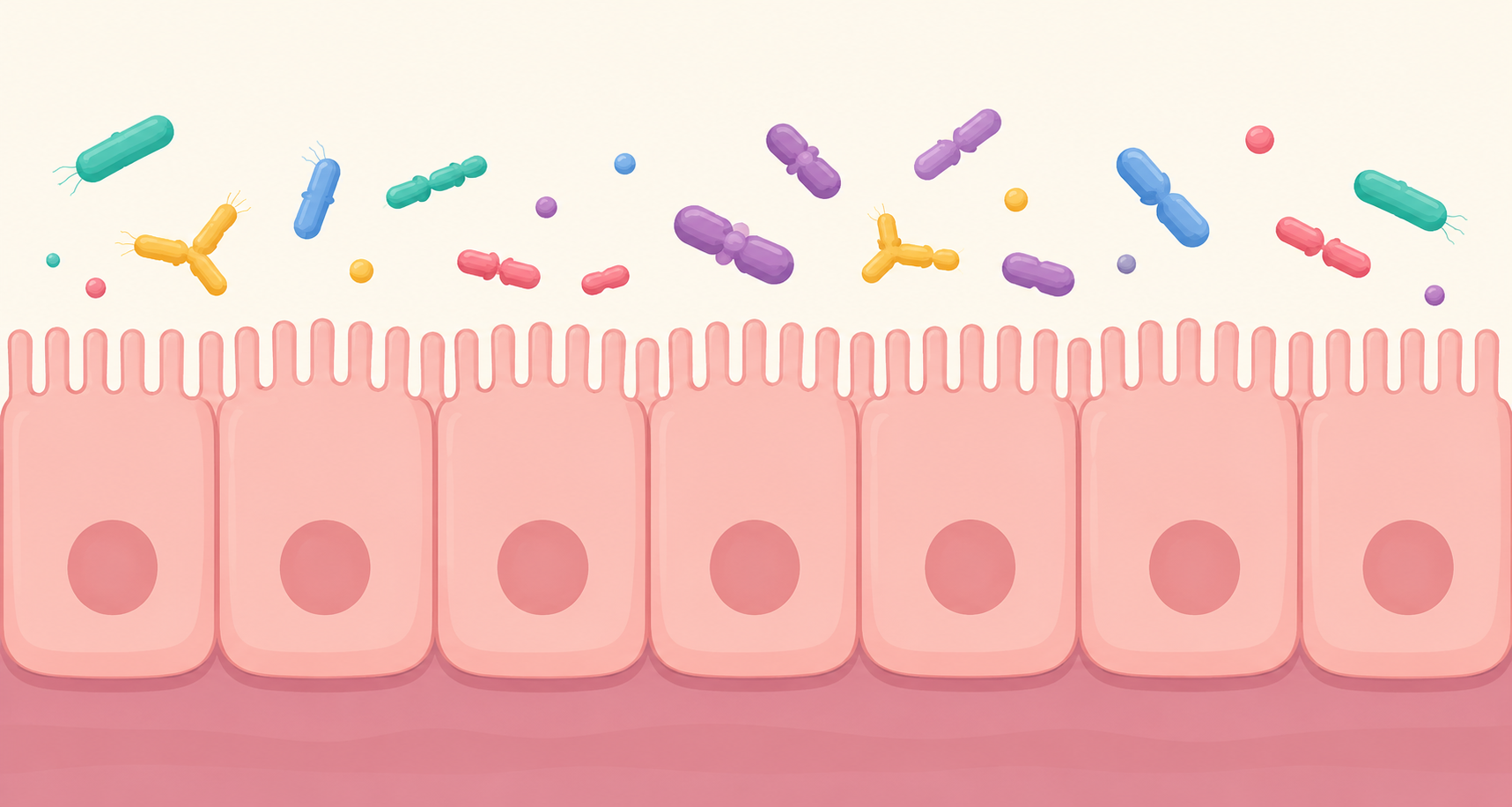
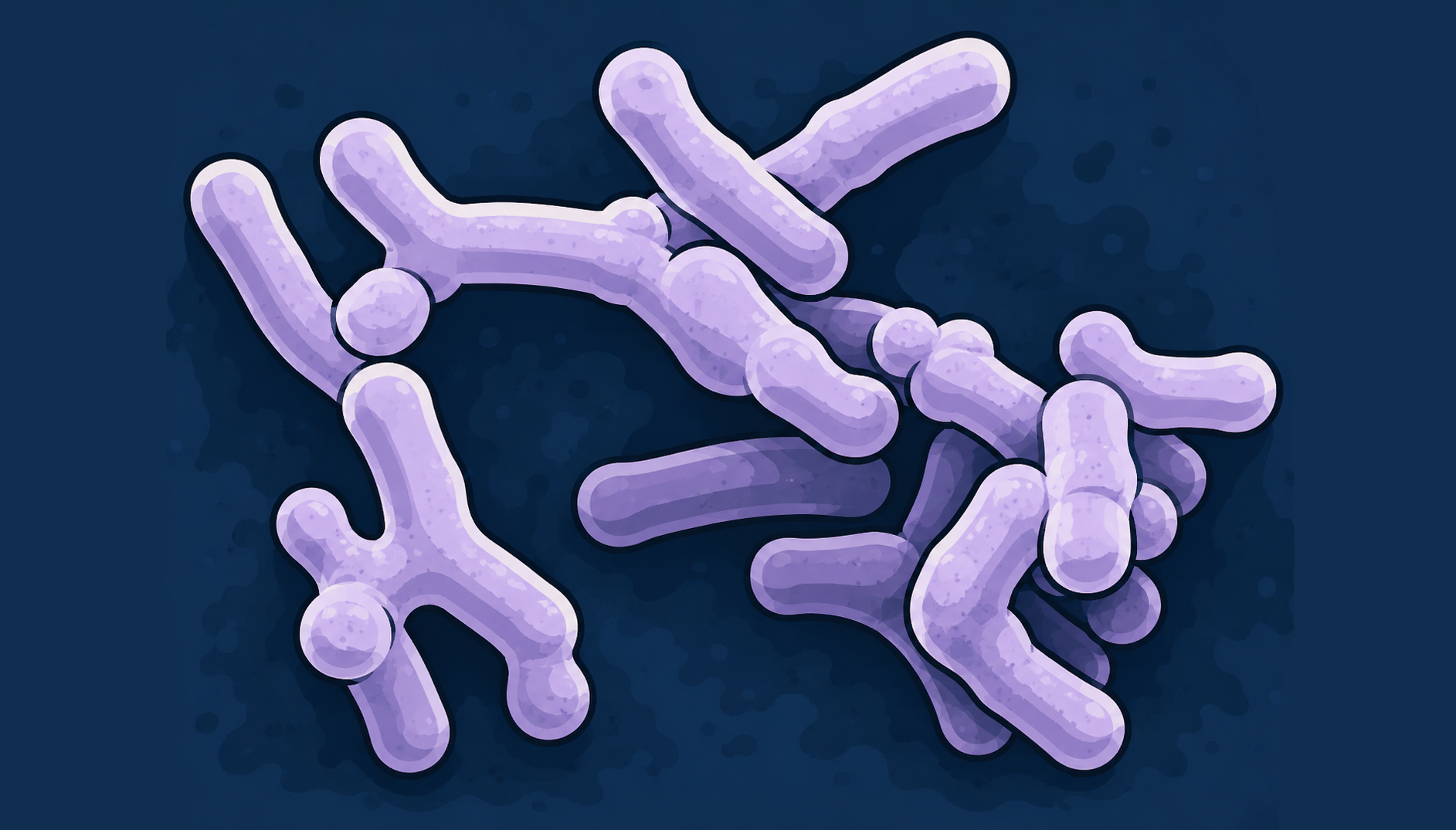
We investigate bifidobacteria as key symbionts of the human gut, with particular attention to early life. Comparative, functional and evolutionary genomics, together with bioreactor-based models and experimental systems involving host-cell interactions, we investigate host adaptation, glycan utilisation, colonisation, persistence, cross-feeding and molecular communication with the host.
02

Early-life microbiome and microbial transmission

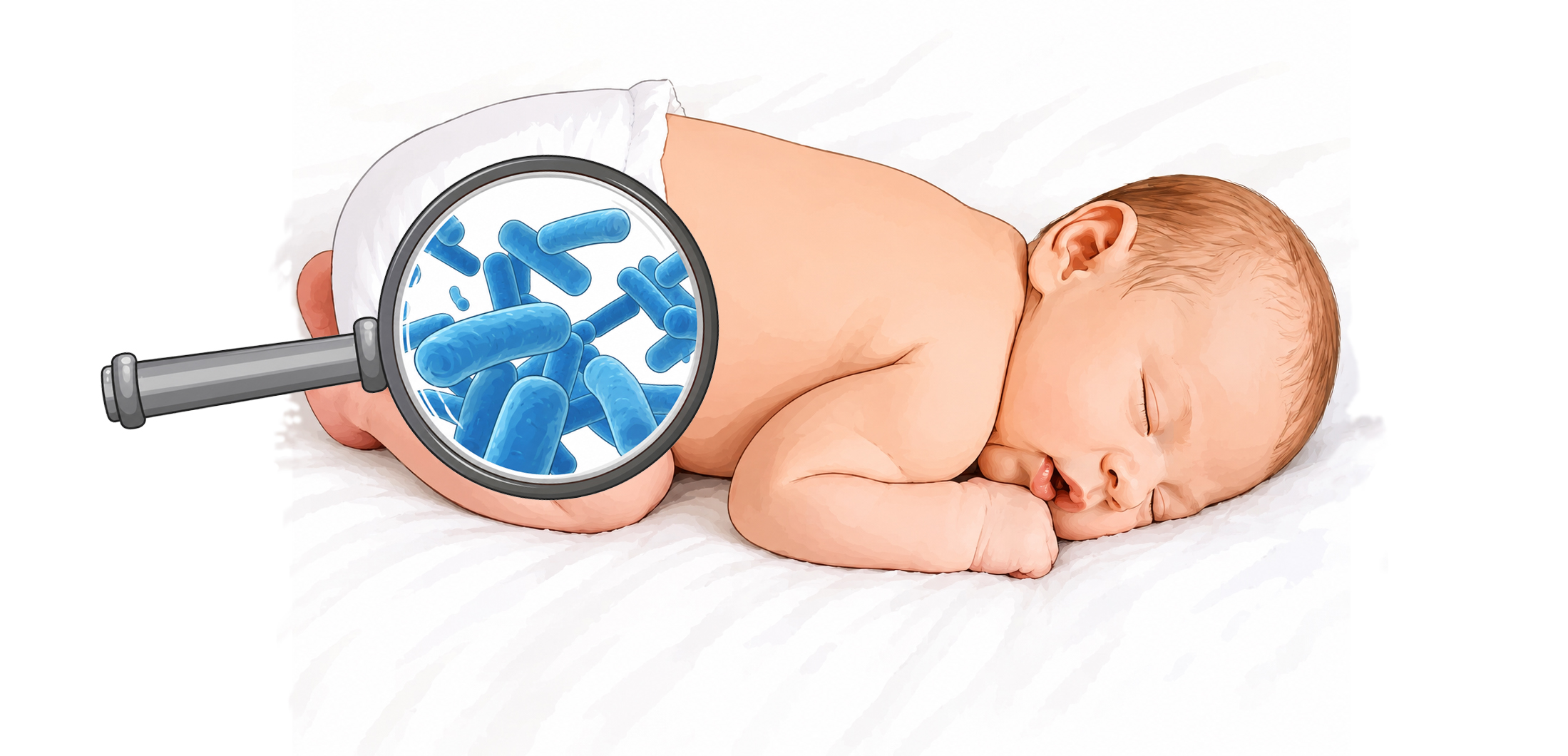
We investigate how the infant gut microbiome is assembled through maternal transmission, mode of delivery, feeding, antibiotics and other early exposures. We study the acquisition and establishment dynamics of bifidobacteria and other key microbes, their metabolic functions and the long-term consequences for immune and gastrointestinal development.

03

Human microbiome in health and disease

We use metagenomics and multi-omics to identify microbial and functional signatures associated with ageing, nutrition and intestinal or systemic conditions. Our aim is to distinguish robust biomarkers from population-specific variation and clarify how microbiome changes relate to host physiology.

04

Microbial ecology, evolution and biodiversity

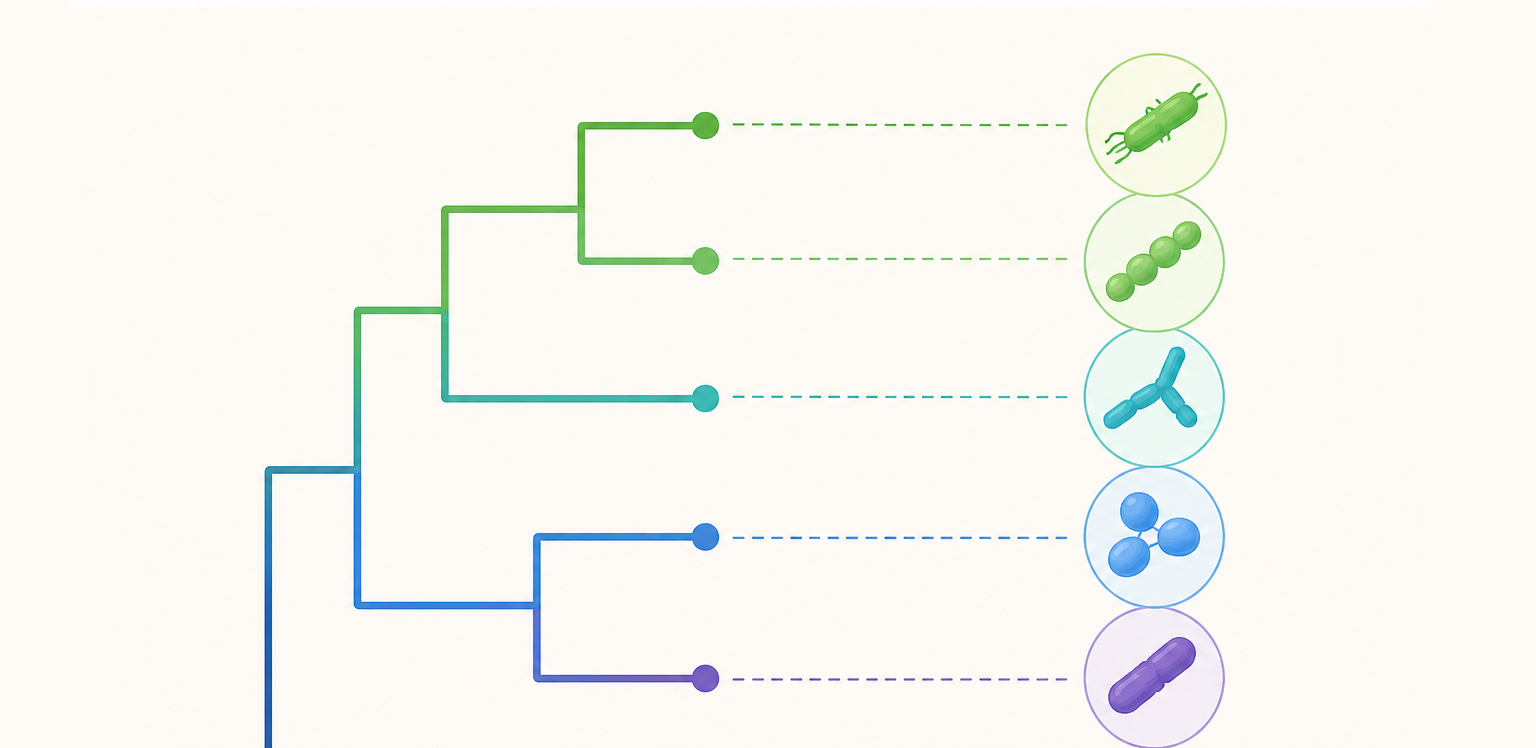
Comparative phylogenomics and large-scale metagenomic analyses reveal how microbial taxa diversify across human populations, life stages, animal hosts and ecological niches. We investigate strain transmission, ecological specialisation and the evolutionary forces shaping the mammalian microbiome.

05

Bacteriophages and viromics

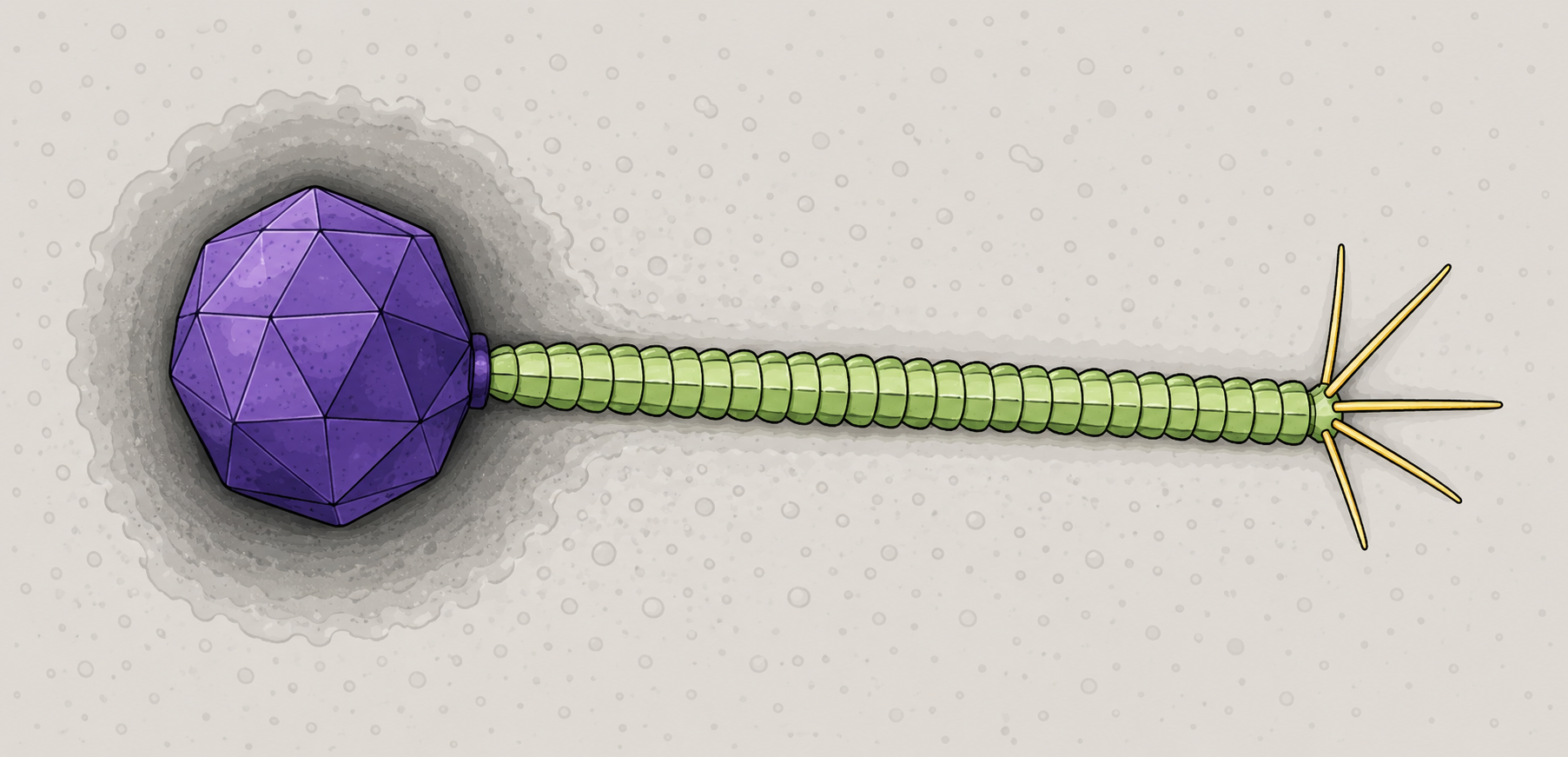
We characterise bacteriophage diversity, evolution, host recognition and defence mechanisms in gut and food-associated microbial ecosystems. Genomics, viromics and experimental approaches are combined to map phage–host networks and understand their impact on microbial community stability.

06

Computational microbiome science and multi-omics

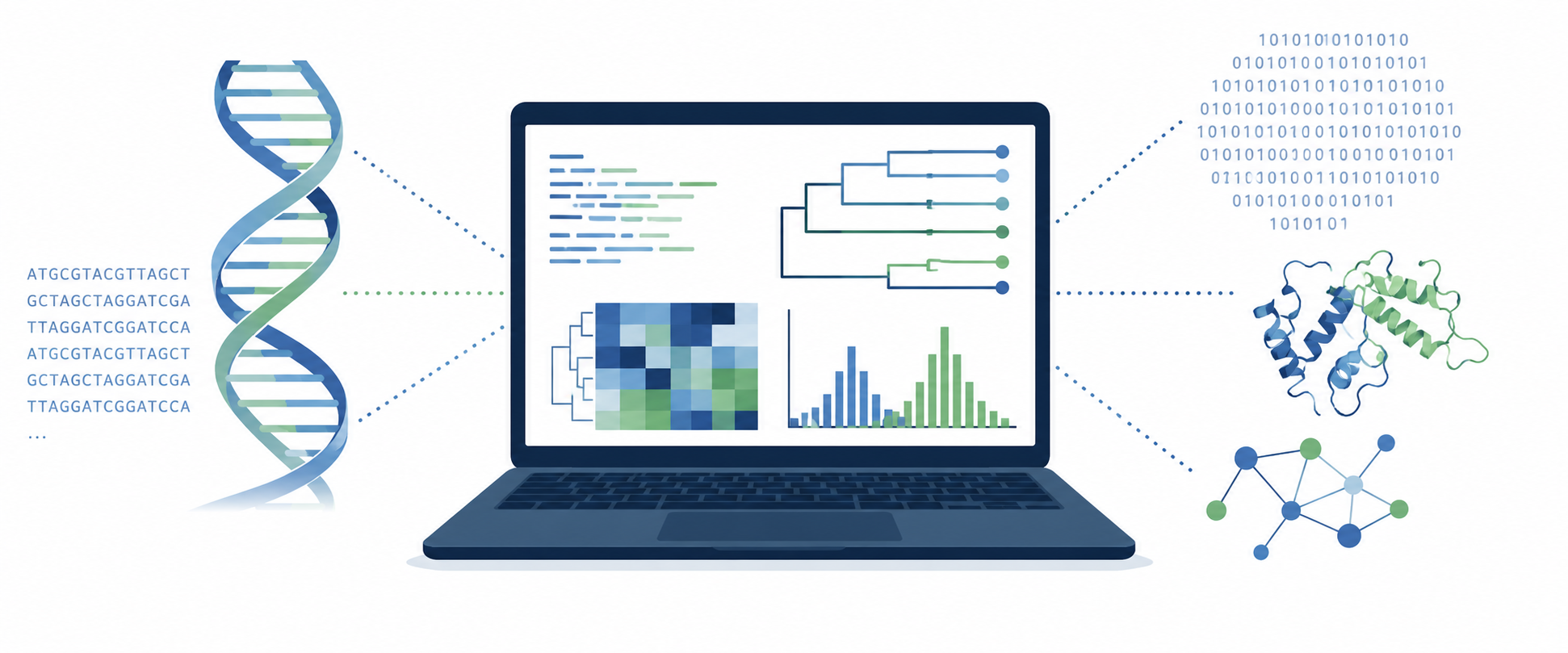
We develop databases, pipelines and analytical frameworks for genome reconstruction, pangenomics, phylogenomics, metagenomics and viromics. These resources support reproducible integration of genomic, transcriptomic, metabolomic and ecological data, transforming complex datasets into testable biological hypotheses.